


“‘I see!’ Said the blind man as he picked up his hammer and saw.”
I heard this old family joke many times growing up, and it always annoyed me. Mostly, I was annoyed because I didn’t think it was funny, while everyone else seemed to think it was.
I mean, it was kind of clever, but it was not funny. It was lame. It’s a dumb joke. It isn’t even a joke, per se: it’s just a one-line sentence with a slightly ironic pun at the end of it, like something Groucho Marx might say.
So why did all the adults in my life repeat it often and laugh out loud afterward like it was so very funny? I remember nearly getting into a shouting match with my grandparents once when I heard it.
“Why are people laughing? That isn’t funny,” I said.
“It is funny; it’s about a guy who is blind, but then it says ‘he saw.’”
“Yes, I know that. Obviously. It makes sense, but it isn’t funny. Why do people laugh at that?”
“Maybe you just don’t get it,” I was told.
“No, I get it. It just isn’t funny,” I insisted.
“If you don’t think it’s funny, you don’t understand it,” I was told once again.
“You’ll get it when you’re older,” someone, one of my uncles—I think—even chimed in.
WHAT?
I GET IT!
I UNDERSTAND IT!
IT JUST ISN’T FUNNY!
WHY ARE PEOPLE SAYING IT’S FUNNY?
WHY IS EVERYBODY SAYING I DON’T UNDERSTAND IT WHEN I DO?
I wanted to scream at them, but I just thought it angrily inside my head instead. I was so hyped up I was spitting mad. My heart rate is elevated even thinking about it and writing this now after all these years.
This kind of exchange has happened many times over the years, and I can’t exactly understand what causes it and why I feel like people aren’t listening to me. Perhaps this was one of my earliest clues as to my having autism, but I’m not sure.
It’s not a big deal anymore, but I am still upset about how dismissive adults were about things like this. I’d argue with them about fine distinctions and subtle nuance, and they’d ignore what I was actually saying and wave me off with the totally dismissive attitude: “You’re just not smart enough to understand.”
But I did understand. That was my whole point. I was asking a different question.
I wasn’t asking them to explain the joke; I was asking them to explain why people were laughing at something that wasn’t funny that was almost entirely unrelated to the joke itself.
I wish the adults in my life had taken the time to listen to me and actually engage with the words I said. Even in this case, about this stupid joke, couldn’t one of them have just said: “Yeah, you’re right; it is kind of a dumb joke, but let them have their fun, eh?” Would that have been so hard?
Why were (and are) adults so dismissive and patronizing? Why didn’t they hear me when I said: “I understand?” — instead insisting I didn’t understand? Why didn’t they listen to the words I said and choose to answer a question I didn’t ask?
And what is that nonsense about how I might understand someday when I’m older—or smarter? (Was that the real implication?)
I did actually get in a shouting match with a family member once over the meaning of homeowners associations, weirdly enough.
I found out that a homeowner I knew was forced to re-paint his fence after his HOA decided he had painted it the wrong color.
“Why would an HOA care what color someone’s fence is?” I wondered.
“Those are just the HOA rules,” I was told. “And if a homeowner lives in that neighborhood, he just has to deal with it.”
“Then why would anybody ever buy a house in a neighborhood with an HOA?” I asked, confounded at this news of the bewildering fact that HOAs can fine homeowners for not complying with their rules.
“Well, if the HOA makes the rule, the homeowner has to follow it, no matter how silly it is,” was the reply.
“But why would someone buy a house in a place where stupid people make stupid rules?” I insisted.
“It doesn’t matter. If the HOA makes a rule, no matter how arbitrary, homeowners have to obey it,” I got in response.
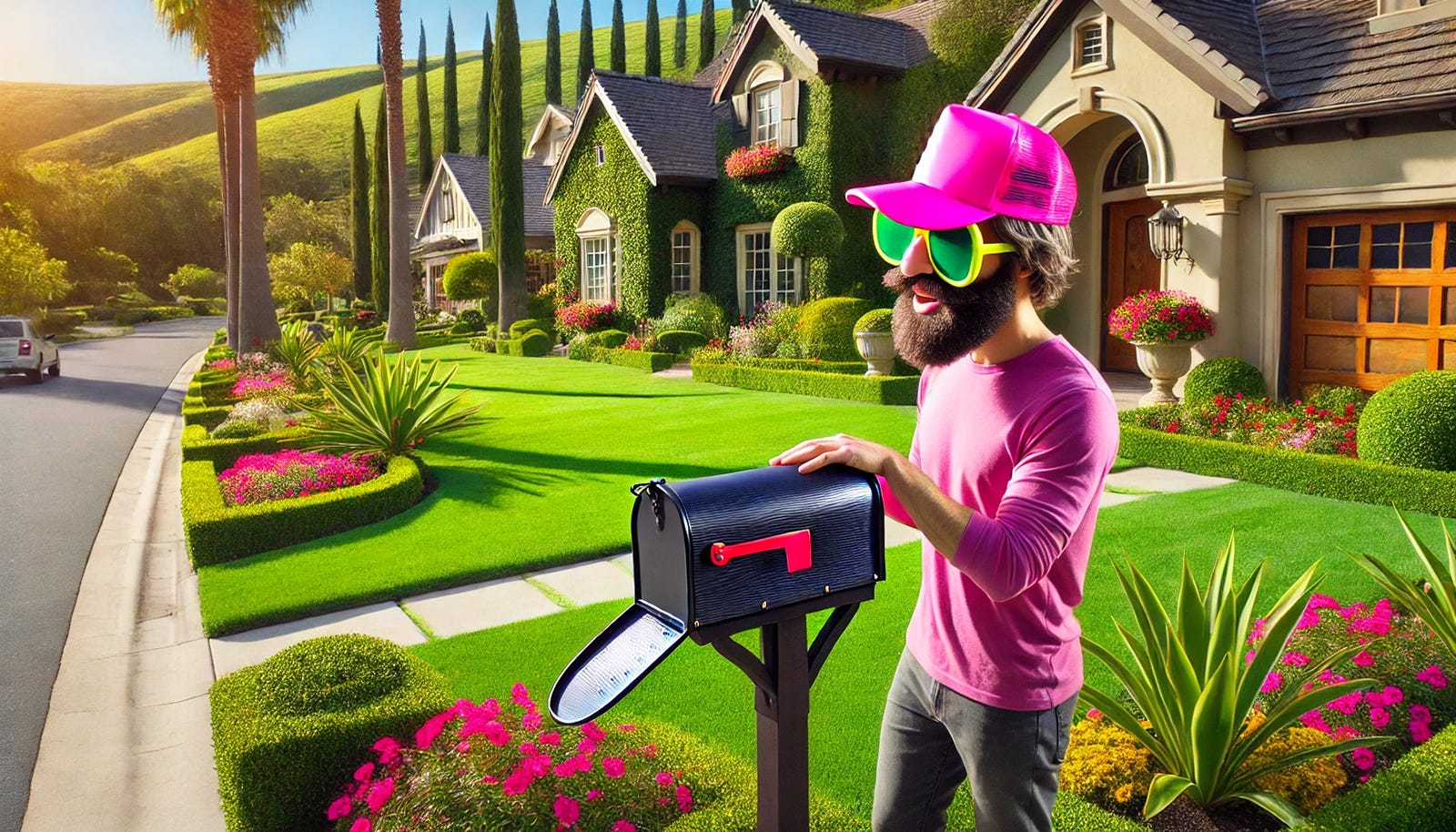
“If an HOA had rules that said you have to wear a pink hat every time you walk to your mailbox to get your mail, and if you live in that neighborhood, and you refuse to wear a pink hat when you check your mail, you have to pay the fines, and you’d be an idiot to complain about it because you knew the rules.”
“BUT WHY WOULD ANYBODY SIGN UP TO LIVE IN A PLACE THAT HAS RULES LIKE THAT?!” I almost screamed out in anger.
“Why does that matter? Rules are rules, and if you don’t follow them, the HOA can enforce them or fine you. It’s perfectly fair.”
Almost sputtering with a fiery, volcanic rage, I just walked out of the room.
Why do people not listen to what I’m saying? Why, when I ask a very specific question, do people either blow off my question altogether, act like I don’t understand something—when I do—or answer a different question than the one I asked?
I’m mystified. This happened to me again recently, and I’m just stewing on it now and how much it bothers me. For some surprising reason, a lot of anger from the many times this has happened has bubbled up unexpectedly.
I don’t know what to make of all this, and I have no major conclusions at this point. I’m just thinking out loud here. That’s all.
(Oh, and by the way, I still think “‘I see!’ Said the blind man” is a stupid joke, and I will never, EVER, buy a house in a neighborhood with a homeowner’s association.)
I had a similar experience with this joke Ron. It just took me a long time to understand the pun, but then I didn’t think it was funny either.
And I completely agree! It IS so infuriating when someone (especially those in authority, like adults when I was a kid) won’t listen and try to understand. It’s incredibly rude, dismissive and disrespectful.
Ron, I'm sorry you had that experience, and if it was me who was dismissive I apologize now. The good news is, people change. The bad news is, that when they change they don't usually follow up with the people they hurt earlier. Many years ago I resolved to never, ever dismiss the honest questions of a child (or anyone). So, for decades now I have always leaned into questions like what you described. I kneel down to their height, get eye to eye, listen carefully, and answer their exact questions the best I can, and I never, ever say "That's just the way it is" nor "you'll understand when you get older." Grown ups can change. I've changed. Thanks for the article.