


How many of us wanted to be astronauts growing up?
If you were born in the 1980s like me—or earlier—you remember lots of chatter about the Hubble Space Telescope, the Sojourner rover, Mir, the International Space Station, and, of course, the Shuttle program.
If you were born a decade or two before that, you probably remember even more: the Apollo missions that sent manned rockets to the moon, Voyager 1 and 2, Viking 1 and 2, and the initial Space Race that gave birth to the Space Age we now live in.
Being an astronaut was not really a childhood dream of mine, but it was a fantasy.
I knew I’d never get to be an astronaut or walk on the moon, but I did imagine what it would be like from time to time. Lots of kids my age talked about it as well.
It was a very cool career choice.
TV shows constantly talked about how kids could “do anything they wanted” if they just studied hard enough in school. “Reading Rainbow” made a direct connection between learning to read and do math and becoming anything you wanted when you grow up. …even an astronaut!
It was always fascinating to me how becoming an astronaut seemed the most difficult, improbable, and impossible career choice: if you could become an astronaut, you’d be on top of the world! (Heh heh).
Being a firefighter was cool.
Being a police officer was cool.
But being an astronaut? That was outrageously cool.
I never quite figured out HOW someone becomes an astronaut besides using their imagination, going to the library, reading books, and “learning their times tables.”
How did that actually get them into outer space?
Even after all this time, I still wonder what the exact steps are for becoming a professional space adventurer. Clearly, the one thing you need the most—which you have no control over—is an extraordinary amount of pure luck.
But really, aside from that, what else do you do?
Years ago, I met Astronaut Charlie Duke and heard him explain first-hand his experience in the Apollo 16 mission and what it was like collecting rocks and driving the Lunar Rover (a car!) on the moon. That was very cool.
But these days, space missions are completely different, and the technology we use today is unrecognizable from what was used to put men in space back in 1972.
In 2024, one of the accounts I follow on Twitter/X had a Q&A session with Jared Isaacman, a billionaire, entrepreneur, pilot, and private astronaut with SpaceX.
I submitted a question—and he actually answered it.
Q: What should kids study if they want to become an astronaut?
-Ron Stauffer
Now, Isaacman has another title to add to his impressive career: NASA Administrator—and his answer matters more than ever in the age of Artemis, where we return to the Moon for the first time in over half a century.
Here’s a transcript of his answer, lightly edited for clarity. It was far more practical—though less “glamorous”—than I expected.
What actually goes wrong in space:
“I think number one is aerospace medicine; health. I think being a medical professional is probably one of your best chances, honestly. So, just in reality, 50% of all astronauts have space adaptation syndrome. And then there’s a laundry list of other things that go wrong at like 10%, 7%, 5%.
Space is very harsh on the human body and a lot of it’s physiological. There’s psychological elements to it too… It’s kind of hard, right? Because up until recently, it’s just government astronauts: we got to keep up the “hero image”—which they are—but there’s a lot of gory details associated with it.”
Why medical professionals matter:
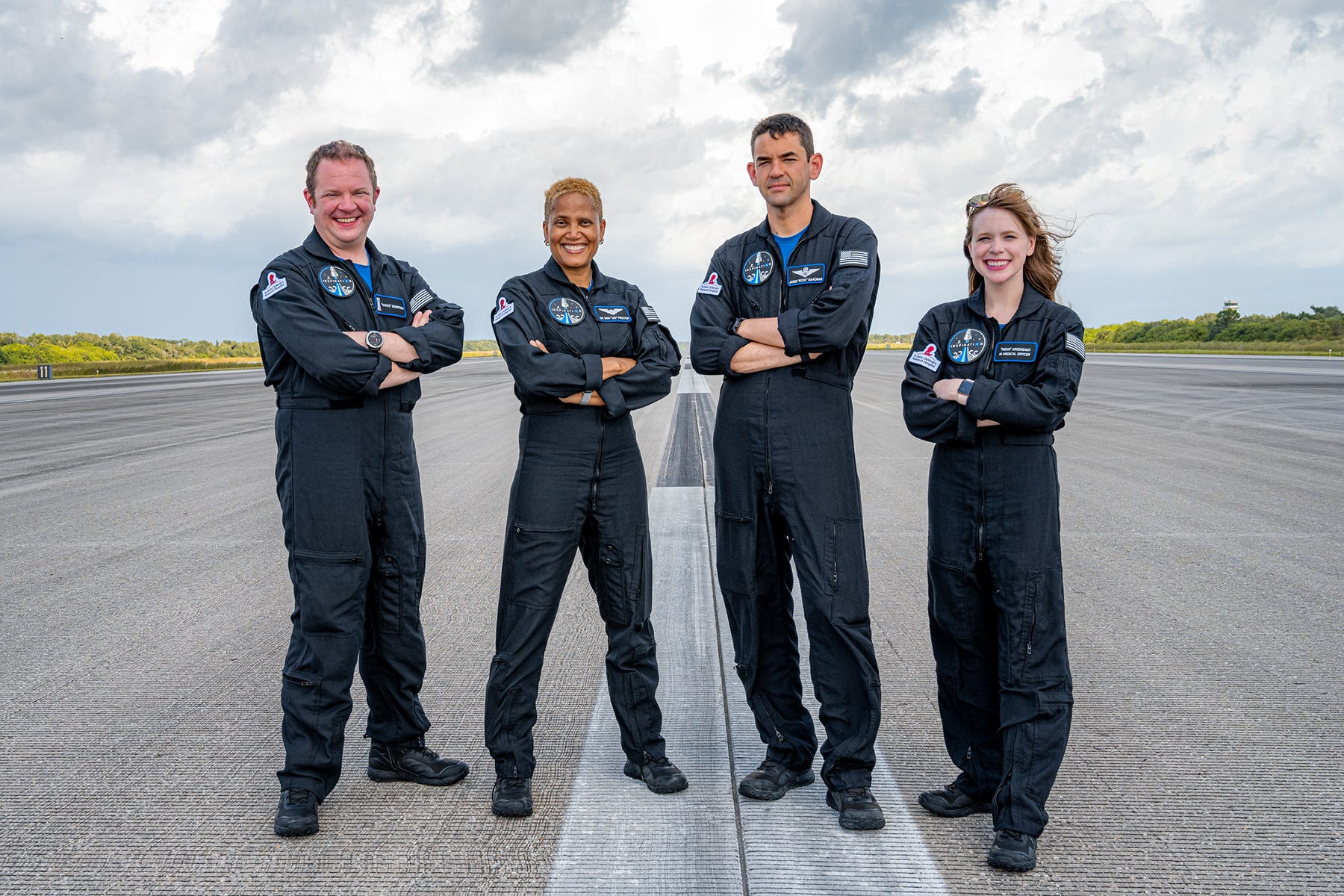
“We weren’t born to live in microgravity. I mean, thank goodness, on SpaceX Inspiration4, we had a physician assistant as our medical officer, and we put her to great work. Hayley Arceneaux did an awesome job. She dosed out two intramuscular injections and helped restore the crew to be happy, healthy, and productive.”
The unexpected future of astronauts:
“But that’s going to be a reality, right? We’re not going to have the 737 of human spaceflight and have half the people throwing up. Because that’s going to make the other half feel pretty sick. And it’s going to take all the glory and glamor out of going and traveling in space.
And this gets way worse the longer you’re there. So, when we’re talking on long-duration trips to Mars and back, there’s a lot of things that are going to go wrong, and these aren’t 1% chances: these are like 50% chances, so they’re going to happen. You’re going to need people who can take care of it.
There’s not a lot of aerospace physicians and healthcare professionals. I think Harvard just stood up a fellowship in the last year, and we’ve gotten to meet some doctors there, but… it’s basically just been… a Houston Johnson Space Center-type program for doctors, and that’s not going to work when you have hundreds or thousands of starships. So, I think the medical field is going to be very strong.
Certainly, software and hardware engineers: you’re not going to be able to rely on the current mission control construct for commanding spaceflight the way it’s been up until now. You’re going to need far more onboard capabilities from a hardware structures perspective as well as software, where I think engineers can be in high demand.
And unfortunately, but it’s just in touch with reality again, I think the test pilot thing is going to have less and less relevancy. While I think the background for it is phenomenal and there’s a lot of ways you’re kind of adjusted to the environment quicker, the skillset is going to be less and less important.”
It’s not exactly the path most of us imagined growing up.
So… there you have it, folks! According to a modern astronaut helping pioneer the manned missions to space, the Moon, Mars, and beyond, if your kids want to become astronauts, your best entry points are:
Aerospace medicine
Software engineering
Hardware engineering
The days of test pilots dominating the field are fading fast.
Today, it’s less about finding a way to get to the destination in the first place and more about making it possible to survive and stay healthy and comfortable while you’re getting there.
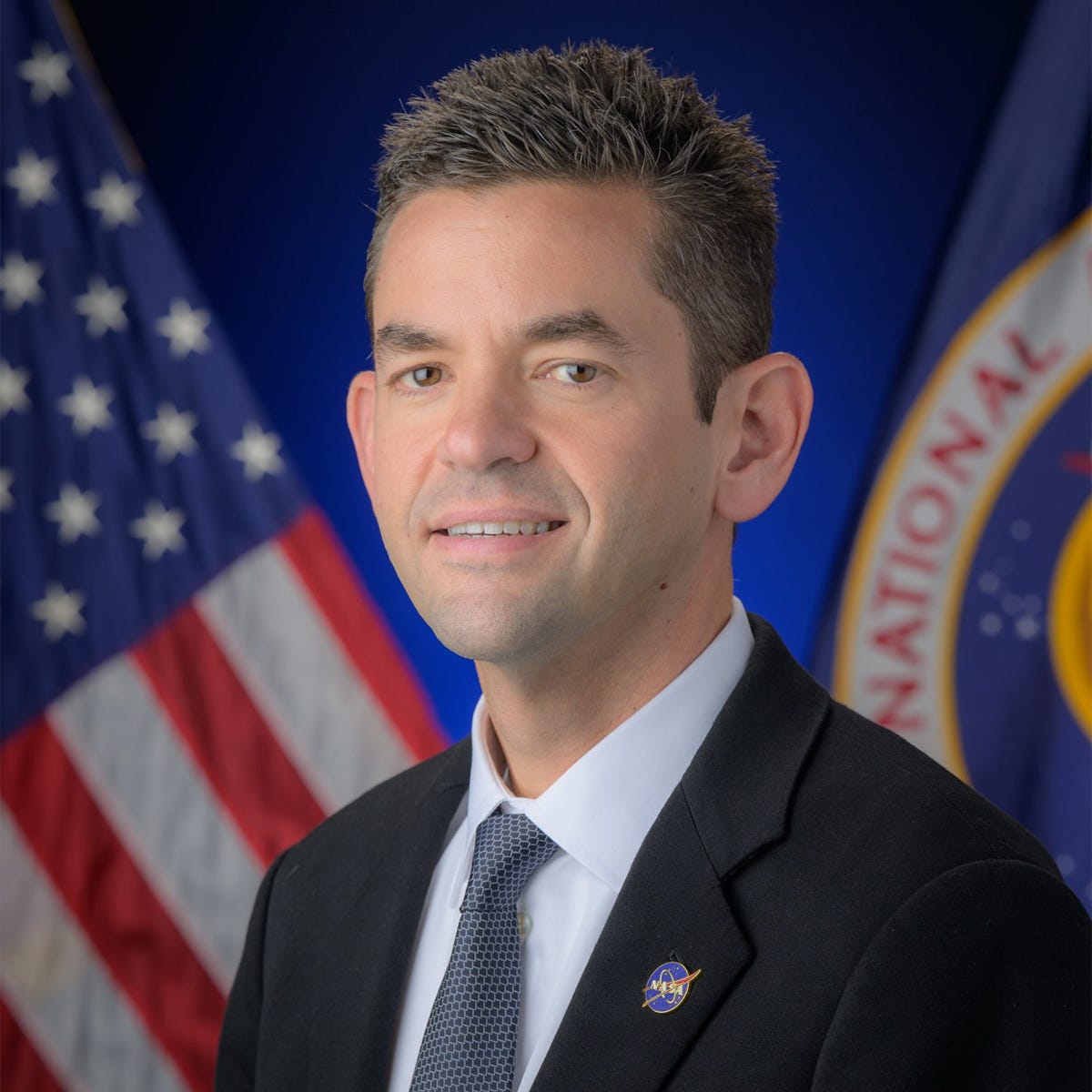
So, if any of my kids are reading this: Listen to Mr. Rook—and go do your homework.
Get good grades, immerse yourself in books books like LeVar Burton said, and learn multiplication and long division, but also take some medical classes if you can, and see if you like medicine as a career: it may turn out to be your pathway to the stars.
Eventually, we’ll probably see college courses like “space tourism” and “intergalactic hospitality,” but for now, we need medical doctors and tech nerds to get us there.
What a time to be alive… and to be paying attention.
This was originally published in 2024, before Isaacman became NASA Administrator.